
What is on a card, and what the listing keeps for itself
What is a LoongBuy Spreadsheet? A kept index of links you can browse by category, and nothing more than that. A card carries a picture, a name and an address. Stock, price, the size chart and the seller's own terms are all on the listing, and they change there without the card changing here.
Type what you are after in English. What comes back is product cards, each pointing at one listing.
The unit
A card is an address with a picture attached
Reading a card is mostly knowing which column a question belongs in. Everything on the right is unknown until you open the listing, and no amount of looking at the card will settle it.
What the card says
A photograph, chosen by whoever added the card.
A title, often rewritten so it reads in English.
A platform badge: which marketplace the address belongs to.
An address. This is the part that does any work.
What the listing says now
Whether the item still exists at all.
The price today, which is the only price that matters.
Which colours and sizes are in stock right now.
The seller's own terms, including whether they will take a return at all.
Why a catalogue
What a kept index of links is actually for
The marketplaces this points into do not have an English search worth using. Their search is built for people typing Chinese product nouns, and a translated query returns a different set of results rather than a translated set of the same ones.
So the value is narrow and real: somebody has already found a listing that existed, and recorded which category it sits in. That is the whole of it. It does not promise stock, it does not promise the price, and it cannot promise a return, because that was never the catalogue's to give.
Treat anything beyond that as a claim to check. A card that promises authenticity, a fixed price or a delivery window is describing something the listing has not agreed to.
Reading the tile
What each part of a card is good for
Nothing in the left-hand column is a promise. They are hints that save you a search, which is a smaller claim than most catalogues make for themselves.
| On the card | Good for | Cannot tell you |
|---|---|---|
| The photograph | Recognising the thing you are looking for | Whether this seller has that thing. Pictures move between shops constantly |
| The title | Searching, and guessing the brand and model | Anything about the variant. Titles get rewritten by whoever listed them |
| The platform badge | Knowing what kind of shop you are about to open | Whether the listing is live |
| The address | Everything the agent will act on | Nothing, if it no longer resolves. A dead address is the normal failure here |
Judging the catalogue
What makes a useful spreadsheet, in four checks
Open six cards in one category. Listings come down constantly, so a few misses are normal and a page of dead links is a reason to question how actively it is maintained. Nothing on the page tells you which, so you have to click.
Look for a date on the rules. A return window written without a date is a claim about an unknown past. The ones here carry the day the operator's page was captured, and the updates log explains why that date rather than a later one.
Find out who to write to. There should be a person or a company, and the route should not loop back to a form that answers nothing. About explains this guide's sources and referral funding.
Ask how it is paid for. Look for a clear disclosure of referral links, sponsorship or other funding so you can weigh potential incentives.
Questions
What people ask at the catalogue stage
Does a card mean the item is in stock?
No. It records that the listing existed when it was added. Stock lives on the listing and the seller can end it at any time, which is why a dead card is the normal failure and not a sign of anything worse.
Why not search the marketplace myself?
You can, and for a known brand it often works. A catalogue earns its keep on the categories where you do not know the Chinese noun to type, which is most of them.
Is the price on the card what I will pay?
It is what the listing said on the day the card was made. Prices move. Everything you actually pay is set at the moment of purchase and again at the moment the parcel is weighed.
What if two cards show the same picture?
Common, and not suspicious on its own. Sellers share photography constantly. It does mean the picture tells you nothing about which of the two shops to use, so the decision moves to the listings.
Browse all sixteen product categories
Use the picture to choose a category, then check the live listing for the details below.
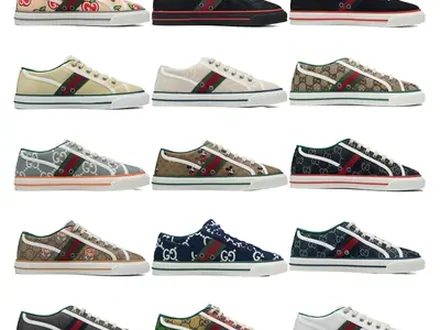
Category
Trainers
Sizing is the seller's own chart, and the chart lives on the listing rather than on the card.
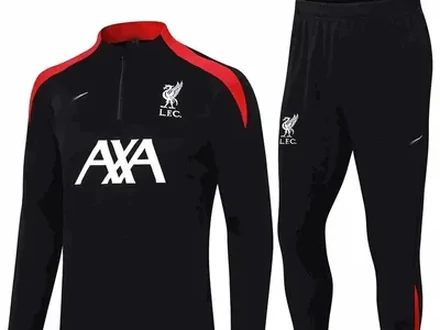
Category
Football kits
A kit has a season, a badge and a sponsor; two of the three can change while the picture stays the same.

Category
Watches
Small, valuable, and the one category where a photograph of the front settles almost nothing.

Search results
Womenswear
Cut and length come from a measurement table that no card has room for.
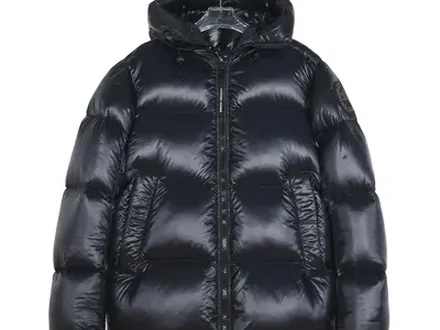
Category
Coats and jackets
The fill and the lining are described in text on the listing, never in the photograph.
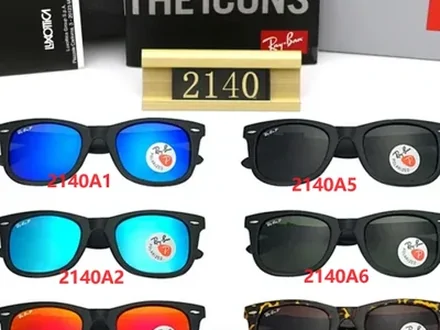
Category
Sunglasses
Model numbers do the work here, and a card rarely carries one.
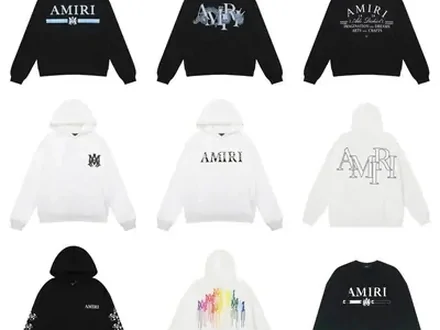
Category
Hoodies
Easy to order three of, and three listings means three chances for one of them to have moved.
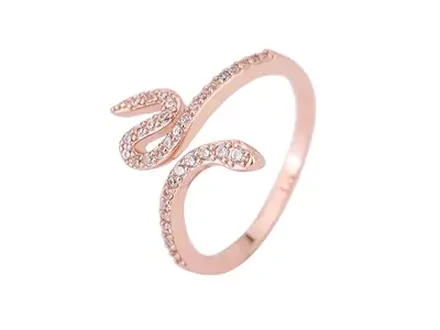
Category
Rings and chains
Plating and stone are claims in the title, and the title is the part that gets rewritten.
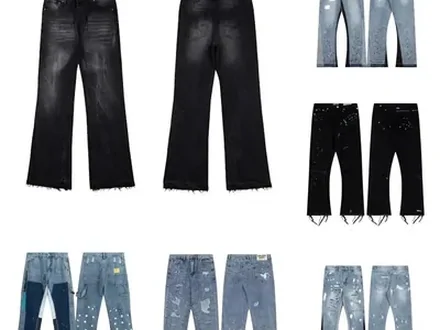
Category
Denim
Waist labelling varies by seller, which is why the fit question has to be settled before paying, not after.
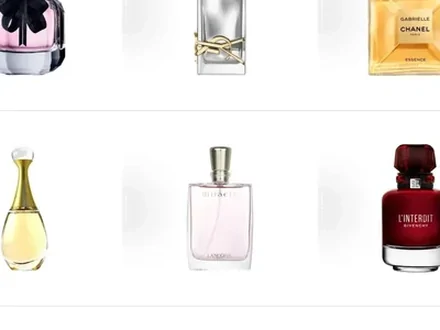
Category
Fragrance
Volume is the variant. A card shows a bottle; the listing says whether it is the 50 or the 100.
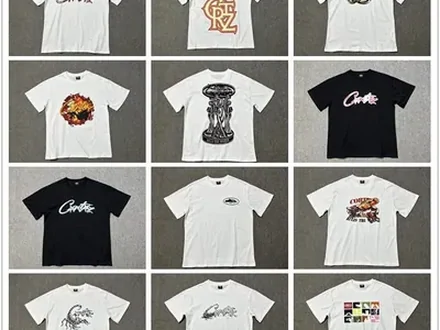
Category
Printed tees
Print placement differs between runs of the same design.
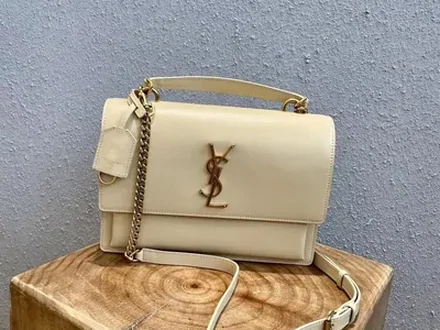
Category
Bags
Check the exact hardware colour in the selected variant and again on the order form.
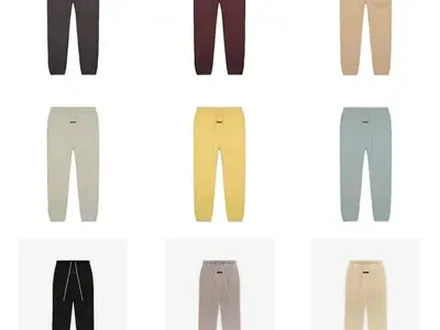
Category
Joggers
Length is the variable, and length is the thing people forget to ask about.
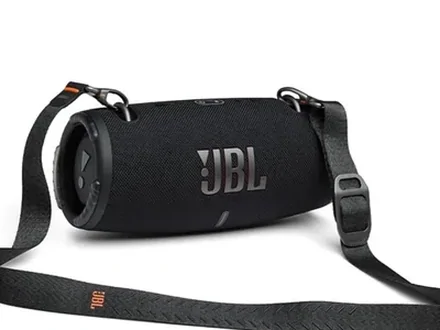
Category
Gadgets
The one group where inspection explicitly does not confirm that the thing works.

Category
Caps
Check head measurements, adjustment range and the exact colour before you order.
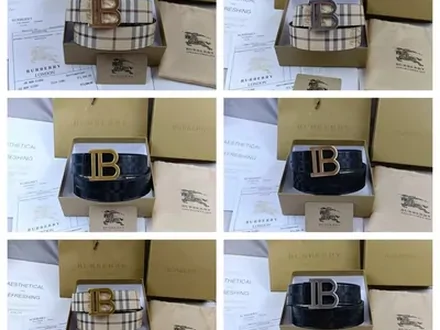
Category
Belts
The number on a belt listing is often the strap length, not your waist.
The field
Four ways in, and they are not equally good
The operator's own search box tells you what it accepts. The placeholder reads Product link or name / Store link, there is a row of marketplace glyphs inside the field, and a camera button sits at the right-hand end of it. Four doors.
They are not interchangeable. A product link names a listing; its selected options may not survive copying. A name is a search, and which result you pick is your decision. A store link finds the shop and leaves the item to you. The camera returns the closest match it can find, which is the weakest promise of the four.
This matters because of what the service does with what you give it. The published description is short: paste the product link, complete the payment, and the agent purchases from the seller based on the link you provided. Confirm the item options and any conditions on the LoongBuy order form before paying.
- Product link
- Identifies a listing. Reconfirm all selected options on the order form.
- Product name
- Starts a search. Compare the actual seller and item before ordering.
- Store link
- Identifies a shop. Choose the item inside that shop.
- Photo search
- Suggests visual matches. Verify the seller, model and measurements.
Evidence
It is written on the box itself
No interpretation needed for this one. The field on the home page carries its own instructions, and they are the shortest statement of what this site is about.
Three suggestion chips sit under it, reading Shoes, T-shirts and Bags. They are a hint about what people search for, not a catalogue, and clicking one does not narrow anything: the search still returns whatever the marketplaces return.

Re-check a card, whatever its age
A saved card is a starting point. Prices, stock and listing addresses can change, and an old capture date alone cannot tell you which changed. Open the seller's page before ordering and compare the price, seller, pictures and available options.
If the card and listing disagree, use the two-question re-check tool to decide what to verify next. A missing capture date is a reason to check the listing, not proof that it is stale.